University for the Creative Arts
As a research consultant, I designed and developed a master's-level Human–Computer Interaction curriculum, connecting research methods and theoretical questions with design process and prototyping. My contribution was curriculum design and authorship, not a claim of formal course delivery.
Five authored HCI units
- Introduction to HCI
- Working with Qualitative and Quantitative Data in HCI
- Selected Topics in HCI
- Design Process Demystified
- Methods for Prototyping in HCI
The curriculum emphasizes methodological literacy, critical engagement with technology, and movement between theory and practical making.
Bendables, Carleton University & Maker Junior
Working with young makers and research assistants, I co-designed and facilitated STEAM activities that brought together tangible computing, electronics, improvisational theatre, participatory design and material prototyping.
Children drew, enacted and built ideas through physical experimentation. These activities used making and reflection to support exploration, collaboration and situated creative learning.
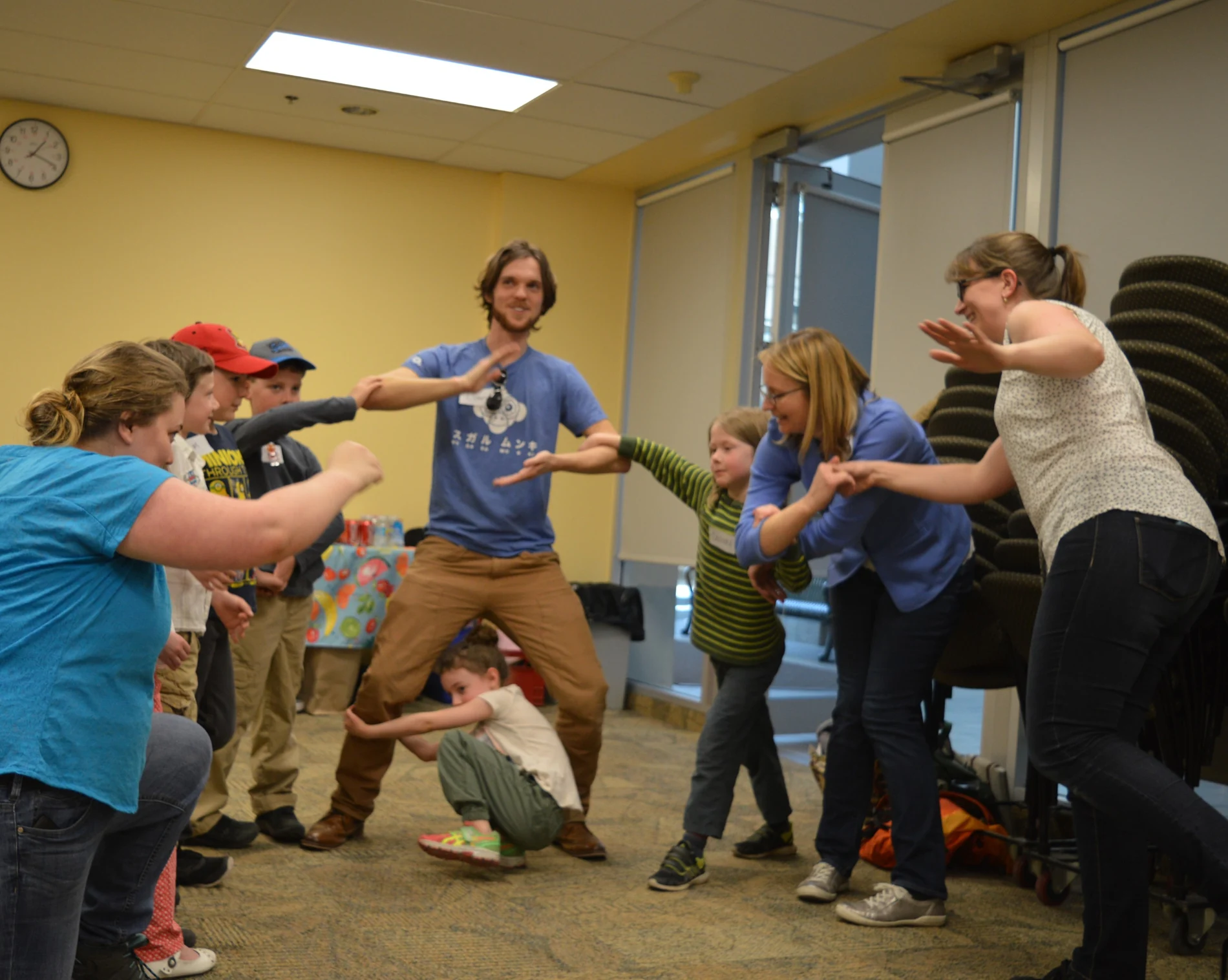
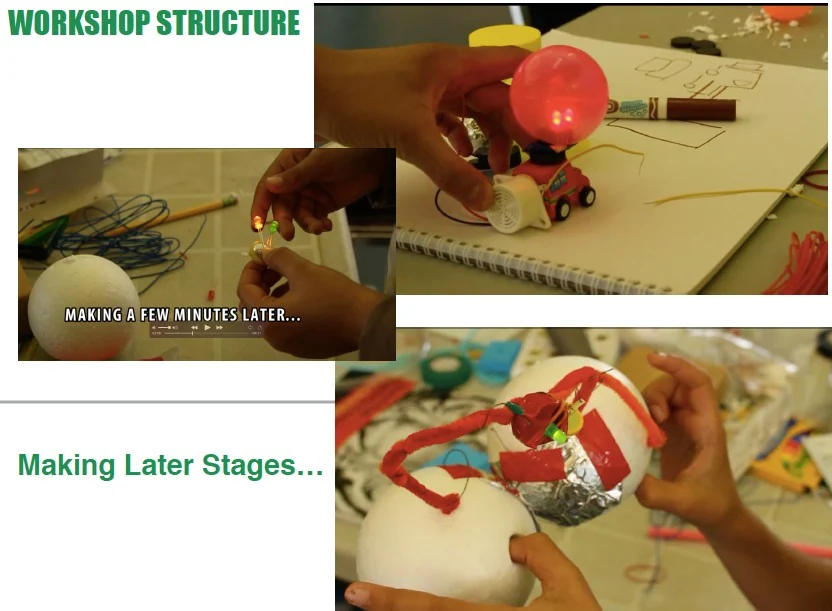
RePlay and interdisciplinary workshops
My facilitation experience includes RePlay workshops at Tangible and Embodied Interaction (TEI), Global Studio in Bhopal, Tiree Tech Wave in Scotland, and international design and technology collaborations.
Across these settings, I work through improvisation, embodied action, shared reflection and cross-disciplinary dialogue to make different kinds of situated knowledge available in creative processes.
Artist tutoring and community learning
As a paid tutor in Creative Electronic Environments at the Banff Centre for the Arts in 2005, I provided technical support to artists, including Dan Graham. In 2004, I worked as a computer trainer for seniors with Vancouver Community Network. These experiences inform an approach attentive to learners’ different experiences, goals and starting points.
Selected co-design and electronics workshops also include Maker Faire Vancouver, Carleton University, Philips Design Research in Eindhoven and Luxembourg Innovation Labs.
Learning through participation
Learning takes shape through participation. Making and experimentation are ways of asking questions, not merely producing results. Reflection helps turn experience into understanding, and embodied or situated knowledge deserves recognition alongside written and technical expertise. Critical understanding of technology should develop alongside technical and creative practice.
In Media Studies, I would bring this approach to critical digital cultures, human–AI interaction and creative agency, interaction design, participatory media, creativity and innovation, design research methods, research-creation, and critical making. These are areas of potential teaching contribution, not claims of courses previously taught.